Innovative Skylight Concepts: Innovative Ideas to Enhance Your Living Space Design
Creative skylight designs offer a unique opportunity to enhance indoor environments. By incorporating distinctive shapes and multi-panel options, homeowners are able to dramatically change the feel of their surroundings. These qualities not only address visual appeal but also boost energy efficiency and usability. Recognizing the remarkable advantages of skylights can lead to well-informed decisions. Nevertheless, the inquiry endures: how can one identify the right skylight to align with their unique aesthetic and home layout?
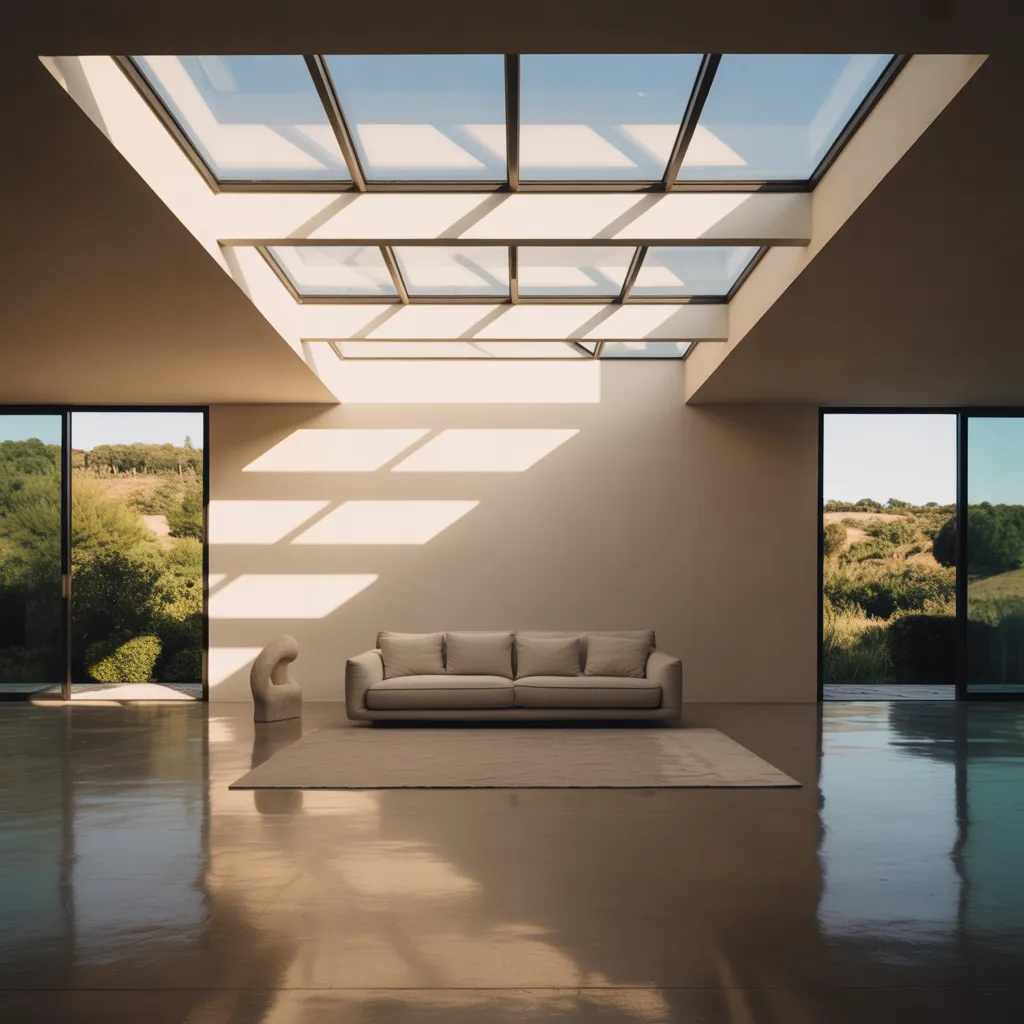
The Transformative Impact of Skylights on Interior Design
Even though various aspects influence interior design, skylights are distinguished by their remarkable advantages. They serve as a crucial source of natural light, improving the general atmosphere of a room. By saturating rooms with abundant sunlight, skylights can make rooms feel larger and more inviting, creating a sense of openness that artificial lighting often fails to achieve. Additionally, the presence of natural light is known to boost mood and enhance productivity, making skylights an excellent choice for both residential and commercial settings.
Additionally, skylights can minimize the need for artificial lighting, bringing about significant energy efficiency and a reduced carbon footprint. Their placement can also emphasize architectural features, contributing a remarkable aesthetic appeal to the structure. With multiple styles and sizes at your disposal, skylights can be adjusted to match a variety of interior themes, making them a multifaceted option for enhancing both beauty and functionality in every space.
Creative Geometric Skylight Forms to Think About
Distinctive geometric skylight designs can tremendously elevate indoor environments by adding visual interest and character. Triangular skylight designs provide a contemporary feel, while circular designs create a feeling of smoothness and continuity. Each of these forms offers different approaches to channel sunlight into a wide range of architectural settings.
Triangle-Shaped Skylight Designs
Triangular skylight configurations deliver a striking alternative to traditional shapes, commanding admiration through their geometric appeal. Such exceptional skylights are capable of revolutionizing any interior, adding a touch of modern sophistication while optimizing the flow of natural light. The sharp angles generate captivating visual appeal, making them a perfect fit for modern living spaces. Moreover, triangular configurations adapt effortlessly to a wide range of architectural styles, spanning minimalist to industrial influences. By allowing light to filter in from multiple directions, they enhance the ambiance and spatial perception within a room. Beyond that, the adaptability of triangular skylights supports personalization, catering to individual aesthetic preferences. In the end, these forward-thinking designs both enhance interior aesthetics and foster a warmer, more luminous environment.
Circular Skylight Options
Round skylight designs offer a sophisticated and cohesive option for enhancing interior spaces. These unique geometric designs not only draw in natural illumination but also create a stunning focal point. Available in various diameters, circular skylights can fit seamlessly into different architectural styles, from sleek to conventional. Their uniform design fosters a sense of balance, making them an excellent choice for rooms that perform well with subdued natural light, such as common spaces and private retreats. Additionally, advanced glazing technologies guarantee energy efficiency while minimizing heat loss. Tailoring possibilities, including styled frames and tinted panes, allow homeowners to tailor their designs distinctively. Ultimately, circular skylights serve as a perfect blend of form and function, enhancing both visual appeal and atmosphere in any interior setting.
Multi-Panel Skylights: A Contemporary Design Statement
As homeowners seek to blend natural light with contemporary design, multi-panel skylights present themselves as an elegant solution. These architectural features consist of several adjoining panels, allowing expansive views of the sky and maximizing daylight. Their versatile modular design delivers flexibility, making them well-suited for diverse roof configurations and dimensions, while improving the visual appeal of both modern and classic homes.
Multiple-panel skylights are able to create striking visual lines and enhance the depth of indoor spaces. Coming in a variety of materials, including glass, acrylic, and more, they can be tailored to accommodate personal preferences. Additionally, the arrangement of panels can be set up to produce one-of-a-kind geometric patterns, offering a striking focal point in a living space.
Incorporating multiple skylight panels not only enhances the visual charm of living spaces but also fosters a bond with the natural environment, elevating the living experience. This remarkable design feature promises to redefine the understanding of daylight in residential design.
The Ways Skylights Can Improve Your Home's Energy Efficiency
While many homeowners prioritize aesthetics when considering skylights, their energy-saving advantages are just as important. Skylights can enhance natural light in a home, minimizing the need for artificial lighting during daylight hours. This not only cuts down on electricity expenses but also promotes a healthier indoor atmosphere.
Moreover, today's skylights commonly include high-performance glazing that decreases thermal loss in winter and controls overheating in summer. This improved insulation can lead to greater thermal stability, decreasing dependence on heating and cooling systems. Moreover, strategically placed skylights can facilitate cross-ventilation, simultaneously increasing a home's energy efficiency by encouraging natural airflow throughout the space.
Ways to Connect Skylights With Smart Home Technology
Merging skylights with smart home technology redefines how natural light and ventilation are controlled inside a home. With the integration of automated systems, homeowners are able to control skylight functionality according to weather patterns or individual preferences. Intelligent sensors are capable of measuring sunlight levels and adjust the skylight openings to enhance natural light while limiting heat absorption.
Additionally, these setups can be set up to operate on schedules, permitting air circulation during particular times of the day. Connection to home automation hubs facilitates remote control via smartphones or voice commands, enhancing convenience. Moreover, energy-efficient skylights integrated with smart technology can provide alerts for maintenance needs, guaranteeing longevity and performance.
Essentially, the combination of skylights and smart technology not only improves living conditions but also facilitates energy savings, enabling homeowners to experience the perks of natural light without sacrificing management.
Key Tips for Choosing the Perfect Skylight for Your Home
Selecting the best skylight demands careful evaluation of several factors to maximize both aesthetics and functionality. Property owners should first assess the purpose of the skylight, be it for natural light, ventilation, or both. This choice affects the style and positioning of the skylight.
Furthermore, it is essential to keep in mind the dimensions; bigger skylights allow more natural light in but may require supplementary structural backing. Energy efficiency is also an important consideration; opting for designs with insulated glazing can lower energy expenses.
The surrounding climate is also an important consideration; resilient materials are required for locations subject to harsh weather conditions. Furthermore, homeowners should evaluate shading options to control light and heat gain.
Lastly, professional installation is strongly suggested to secure precise sealing and alignment, preventing leaks and maximizing performance. By strategically assessing these components, homeowners can select skylights that enhance their living spaces effectively.

Questions We Get Asked Often
What Are the Maintenance Requirements for Different Skylight Types?
Different skylight types require varied maintenance; fixed models need periodic cleaning, while ventilated models require inspection of seals and moving parts. Routine checks for leaks and clearing of debris are critical to ensure optimal function and extended lifespan.
Is It Possible to Install Skylights in Existing Homes?
Existing homes can absolutely accommodate skylight installations. Skilled experts examine the structural integrity and roofing components before proceeding with installation, providing professional advice thorough sealing and insulation to eliminate leaks and boost energy performance, thereby enhancing the natural light within the living space.
How Do Skylights Impact Indoor Temperature Control?
Skylights can significantly influence interior temperature control by permitting natural light to flow in, which can provide warmth to rooms during cold seasons. However, lacking adequate insulation and shading solutions, they may also contribute to excess heat buildup during warmer months.
Are There Safety Issues to Consider With Skylights?
Indeed, skylights come with safety concerns that include leaks, compromised structural integrity, and breakage hazards. Ensuring proper installation, performing regular upkeep, and opting for tempered or laminated glass are effective ways to minimize these risks and boost overall safety.
What Are the Top Materials for Skylight Frames?
Aluminum and vinyl are often considered the best materials for skylight frames due to their durability, low maintenance, and resistance to weathering. Wood frames, while aesthetically pleasing, require more upkeep and can be prone to rot.